When Life Feels Like Too Much: What Stress Does to the Body and What Helps
Some weeks ask more of us than we feel we have to give. It is only Wednesday, and this has already been one of those weeks for me.
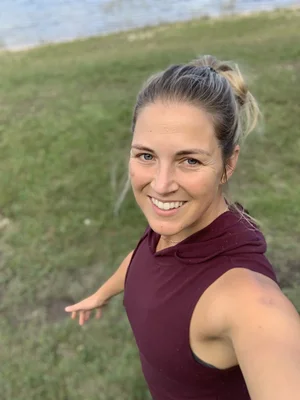
This morning, I went for a walk. The stressful things had not disappeared, but walking gave me a moment to breathe and notice what I needed next. I thought about how often we wait for life to calm down before we care for ourselves. Most of us need that care while the hard things are happening.
What is stress, exactly?
Stress is our mind and body’s response to a demand or challenge. When something feels urgent or threatening, the nervous system helps us respond: our heart rate and breathing may change, muscles may tense, and stress hormones help make energy available. This response can be useful in the short term. When demands keep arriving with too little opportunity to recover, stress can show up in our sleep, appetite, mood, energy, and the tension we feel in our bodies.
A little history I find interesting: physician and researcher Hans Selye described a model called the general adaptation syndrome. He proposed three phases: alarm, when the body responds to a stressor; resistance, when it continues adapting to an ongoing demand; and exhaustion, when prolonged strain overwhelms its capacity to keep adapting. It is a helpful way to picture why recovery matters, though it is a historical model, not a test that can tell you which “stage” you are in. Real people respond to stress in different ways.
The goal is not to eliminate every stressor or force ourselves to feel calm. It is to give ourselves more moments of support, and to change what we can, while we move through a difficult time.
A small at-home plan for a stressful day
1. Feed yourself and drink some water. Ask, “Have I eaten today?” A sandwich, leftovers, yogurt and fruit, or something equally simple counts. Stress can disrupt appetite and routines, but your body still needs regular care. You do not have to turn lunch into another project.
2. Move in a way that feels manageable. Take a short walk, stretch, or step away from your desk. That is what I chose this morning. Movement can help us cope with stress, and it does not need to be a workout. If going outside is possible, enjoy the change of scenery and daylight without feeling that you must achieve a certain number of minutes.
3. Practice one minute of comfortable breathing. Put your feet on the floor and let your shoulders soften. Inhale naturally, then try an easy, slightly longer exhale. Repeat a few times without forcing a deep breath or holding it. Relaxation practices, including breathing exercises, may help reduce the physical feeling of stress. If focused breathing feels uncomfortable, skip the counting and notice your feet on the ground or the sounds around you instead.
4. Get the thoughts out of your head. Write a few honest lines in a journal or the notes app on your phone:
What is weighing on me?
What actually needs my attention today?
What can wait, or what can I ask someone else to handle?
You do not need a perfect morning routine. The point is to identify one next step and one thing you can set down for now.
5. Let another person in. Text a friend, ask your partner to take care of dinner, or tell someone you trust, “I am having a hard week.” Connection and practical help matter. If stress is persistent, overwhelming, or interfering with daily life, a healthcare or mental health professional can help you find more support.
Where bodywork fits
I often see stress expressed through a tight jaw, raised shoulders, headaches, or difficulty settling. A massage or craniosacral session can offer a quiet space to notice and address tension. Some people find hands-on care relaxing, but it is one part of a wider support system, alongside sleep, food, movement, connection, and help with the stressors themselves.
I am sharing this as much for myself as for anyone reading. Today, my first step was a walk. Yours might be lunch, a glass of water, or a message asking for help. You do not need to wait until everything is resolved to take care of yourself.
With care, Maxine