

The Surprising Complexity of a Baby’s Suck
What can a knotted straw teach us about infant feeding? At a pediatric CranioSacral Therapy seminar, a simple exercise helped me feel how sucking connects the mouth, eyes, breath, and nervous system.

When Life Feels Like Too Much: What Stress Does to the Body and What Helps
Stress can affect your sleep, appetite, energy, and the tension you carry. Here’s a simple explanation of the stress response and five manageable ways to care for yourself during a difficult week.
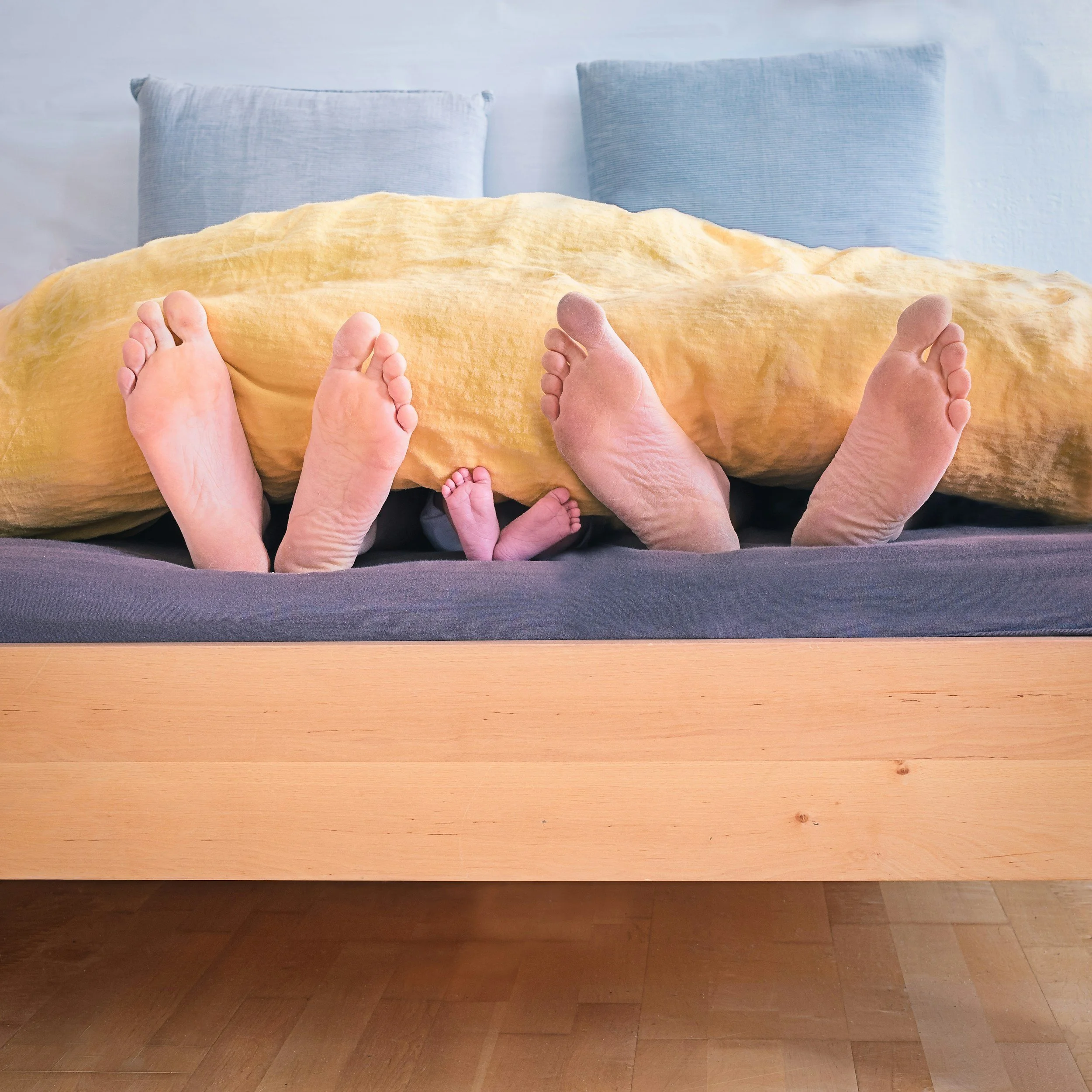
Better Sleep Starts in the Morning: Our Family’s Practical Sleep Routine
Better sleep begins long before bedtime. Discover the simple morning, daytime, and evening practices that have transformed sleep for our family.
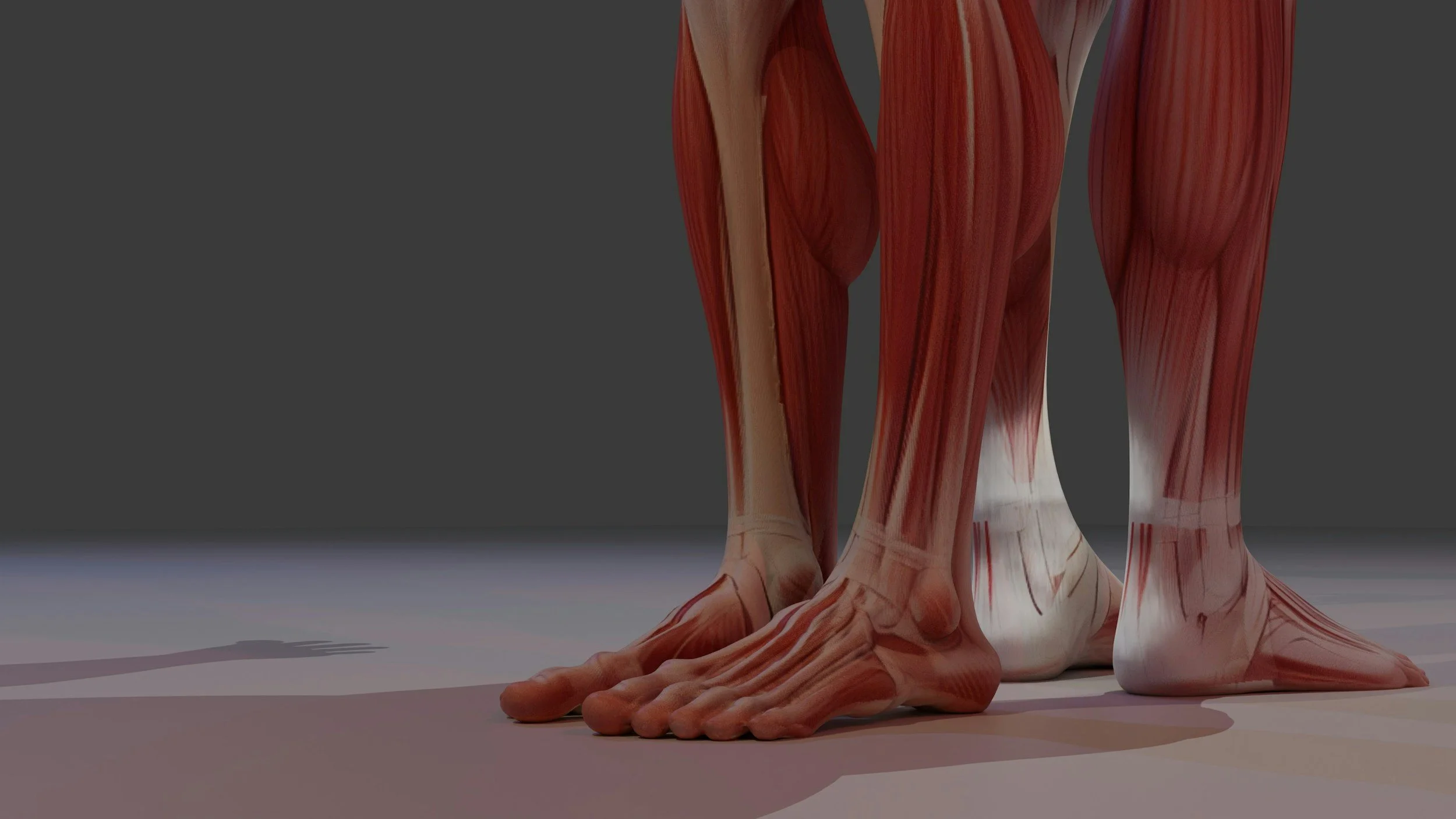
Shin Pain in Volleyball Players: When It’s More Than Shin Splints
Shin pain in volleyball players isn’t always shin splints. Learn how shin splints, bone stress injuries, and compartment syndrome differ, what can support recovery, and when an athlete should seek further evaluation.
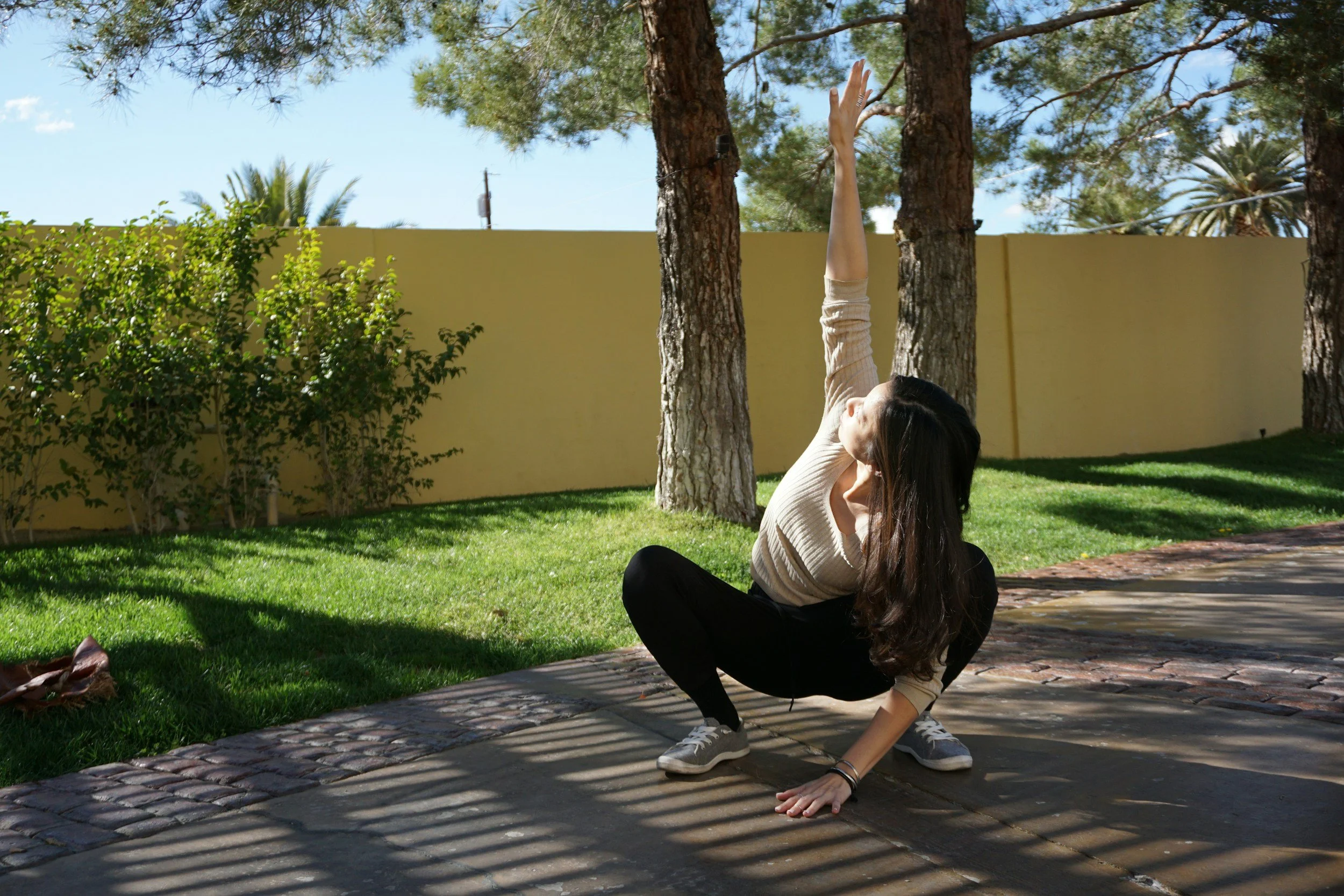
THE SQUAT IS MORE THAN AN EXERCISE: IT IS A SKILL FOR LIFE
The squat is more than a gym exercise—it is how you sit, stand, get into your car, and move through everyday life. Learn what a functional squat requires, the subtle signs you may be losing it, and how to preserve this foundational movement.
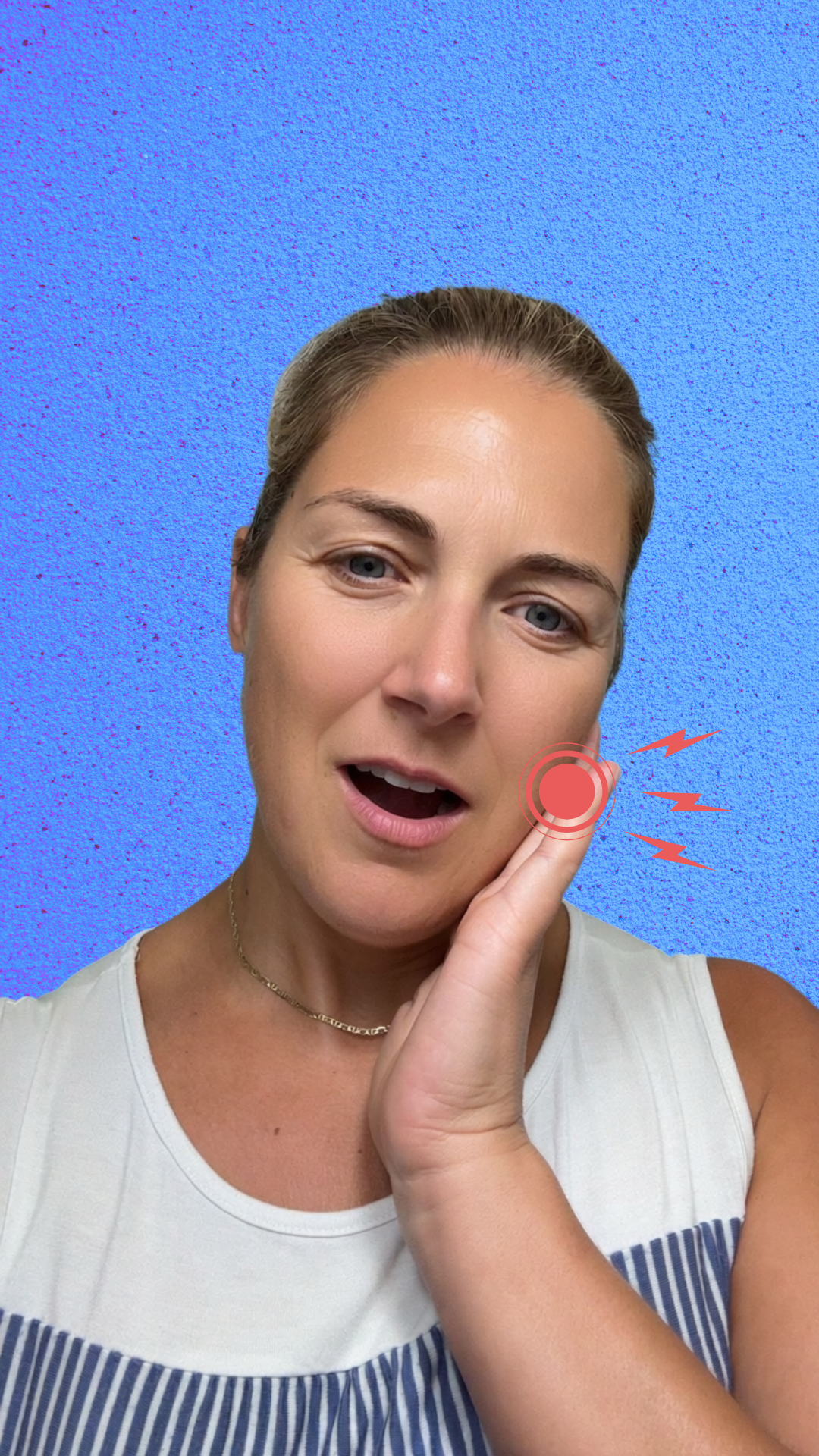
Jaw Pain and TMJ Dysfunction: 8 Facts You Should Know
Jaw clicking, tightness, or discomfort can be confusing. Learn eight important facts about TMJ dysfunction, its symptoms, possible contributing factors, and when to seek help.
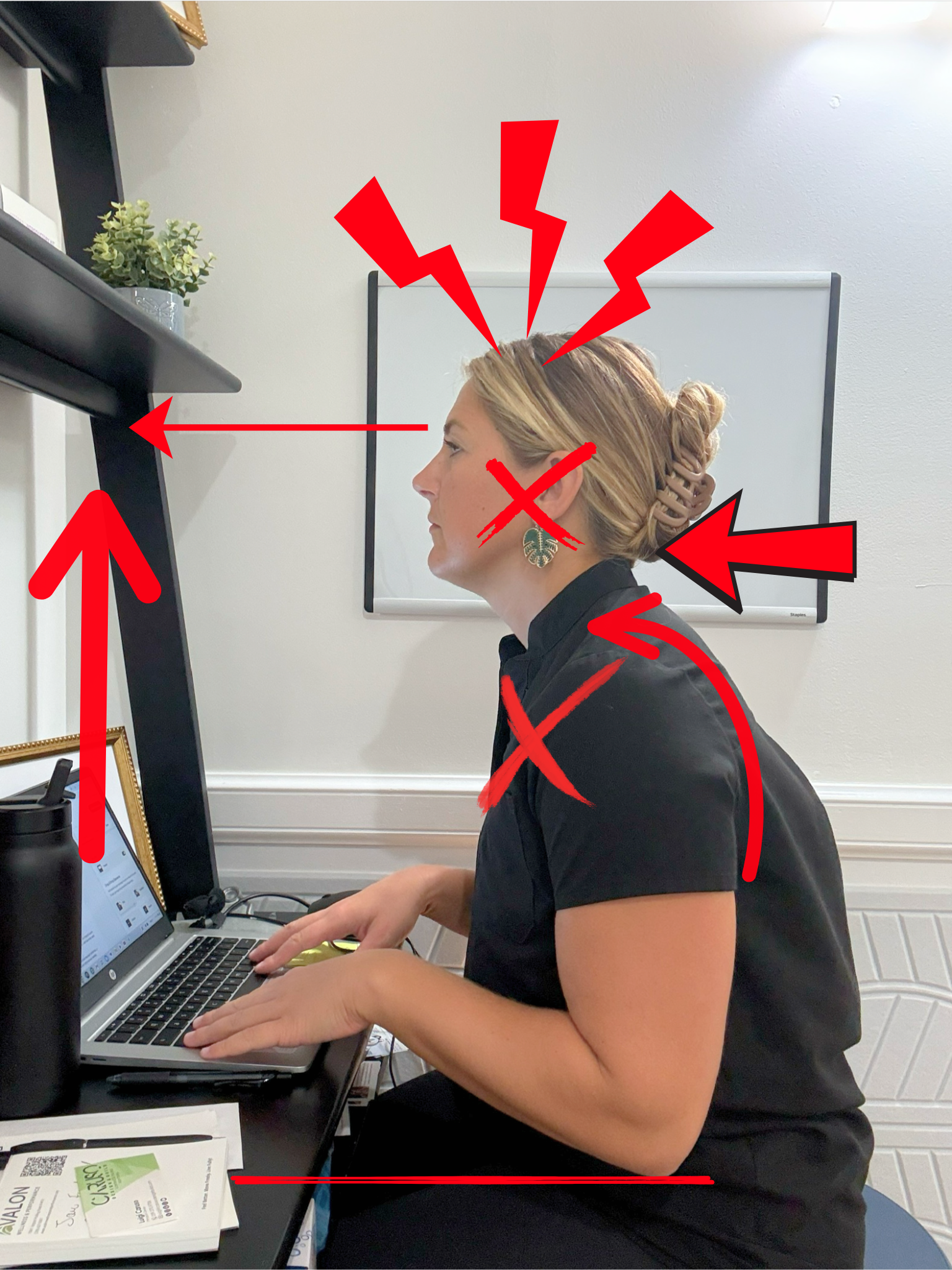
What Does Your Posture Have to Do With Your Jaw Pain?
Your jaw doesn’t function in isolation. Discover how the position of your shoulders, neck and head—as well as the way you breathe—can influence tension around the TMJ and why a whole-body approach may help.
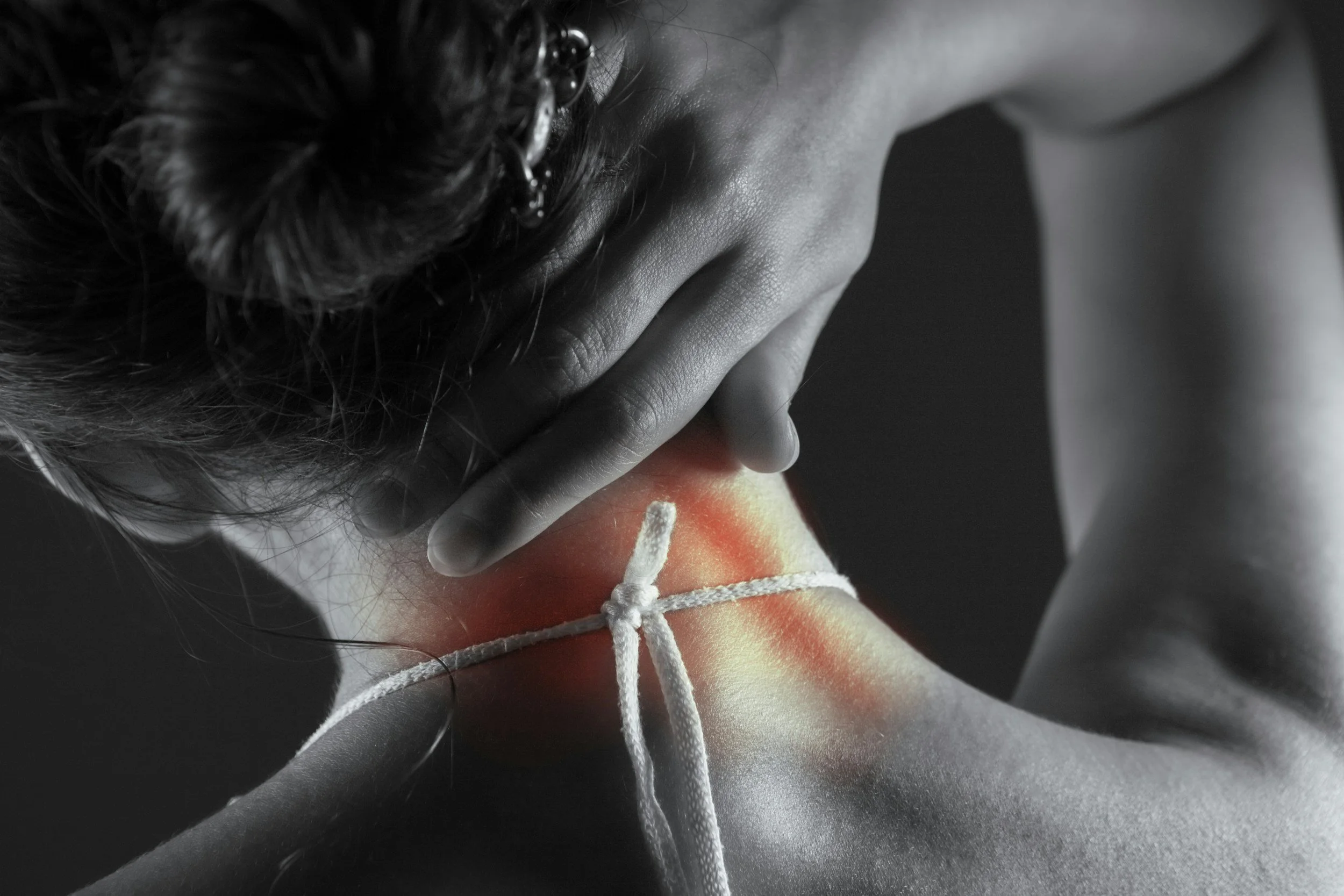
Is Your Neck Stiff? Why Improving Cervical Mobility Takes More Than Stretching
Learn how to improve cervical mobility with simple release techniques, mobility drills, and chin tuck exercises to reduce neck stiffness and improve posture.
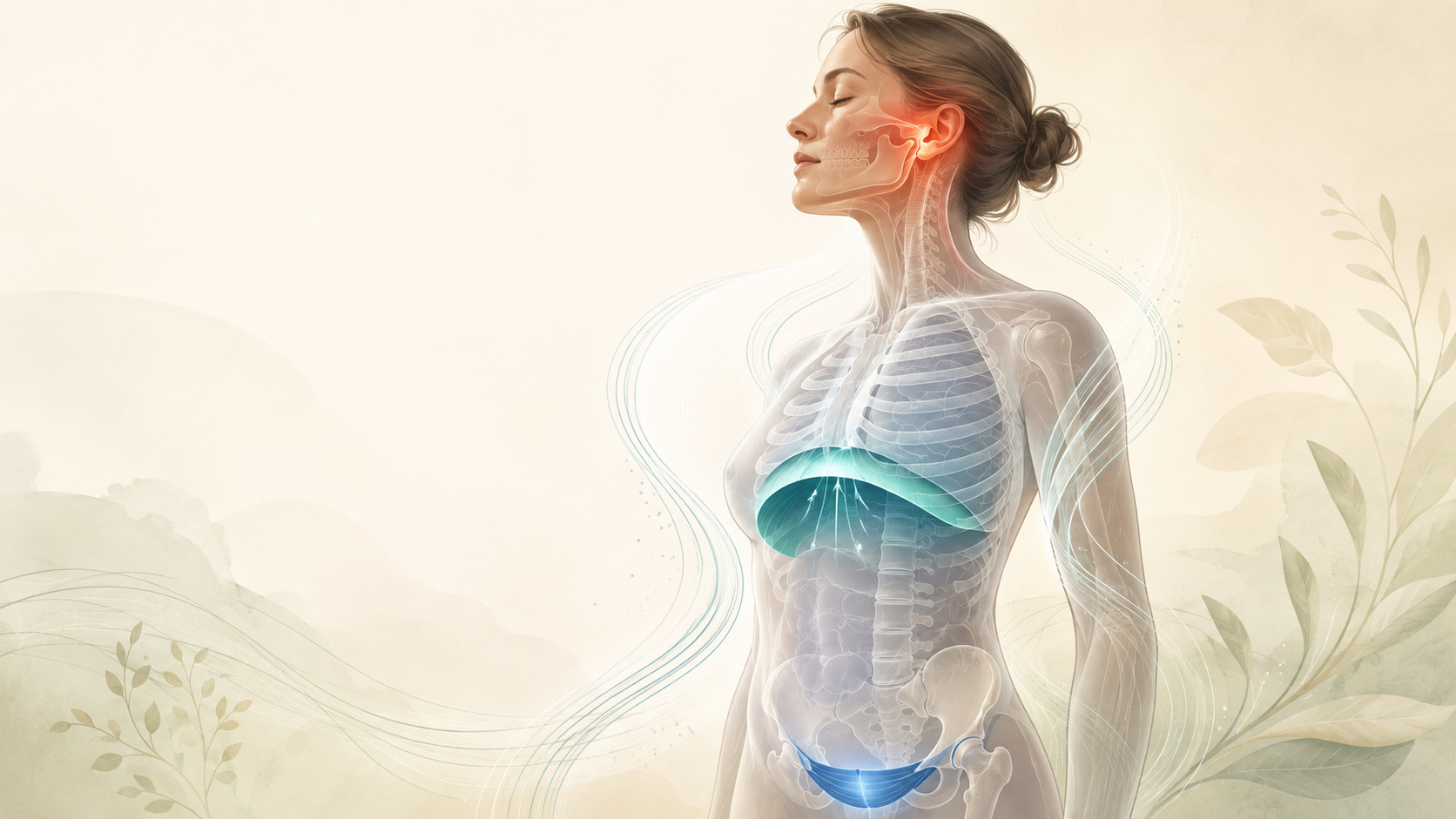
Could Your Pelvic Floor Be Contributing to Your TMJ Pain? The Overlooked Connection Between Your Jaw and Core
Could pelvic floor dysfunction be one piece of the TMJ pain puzzle? Discover how breathing, stress, muscle tension, scar tissue, and whole-body mechanics may influence both the jaw and pelvic floor—and why lasting relief may require looking beyond the painful area.

Why Your TMJ Pain Keeps Coming Back (Even After It Gets Better)
Does your TMJ pain keep coming back even after treatment? Discover why recurring jaw pain is often connected to the rest of your body—not just your jaw—and how a whole-body approach can help reduce flare-ups and improve long-term function.

Why Your TMJ Device Isn't Solving the Root Cause of Your Jaw Pain
Many people try a mouth guard or TMJ appliance only to find their symptoms return. Learn why TMJ dysfunction is often connected to breathing, posture, fascia, and the rest of the body—and how a whole-body approach can provide more lasting relief.

The Important Connection Between Breathing Problems, Pressure, and TMJ Dysfunction
Most people think TMJ pain starts with the jaw. In reality, breathing patterns, pressure regulation, and airway function often play a major role. Learn how the diaphragm, tongue, neck, and nervous system all influence jaw health—and why treating the whole body leads to longer-lasting relief.

How I Assess TMJ Dysfunction: Why I Look Beyond the Jaw
Jaw pain isn't always just a jaw problem. Learn how I assess TMJ dysfunction by evaluating jaw movement, muscle tension, breathing, posture, and the rest of the body to uncover the root cause of your symptoms.
You Can't Out-Treat Your Lifestyle
Sleep isn't just about feeling rested—it's one of the most important tools your body has for healing. Discover the six Foundations of Healing that support recovery, reduce pain, and help you feel your best every day.

Neuropathy as You Age: Simple Ways to Support Nerve Health, Balance, and Foot Sensation
Neuropathy can affect far more than just your feet. In this week’s blog, I’m sharing what neuropathy can feel like, why it matters for balance and healthy aging, and supportive strategies—including movement, sensory work, manual therapy, and foot care—to help you stay active and confident.
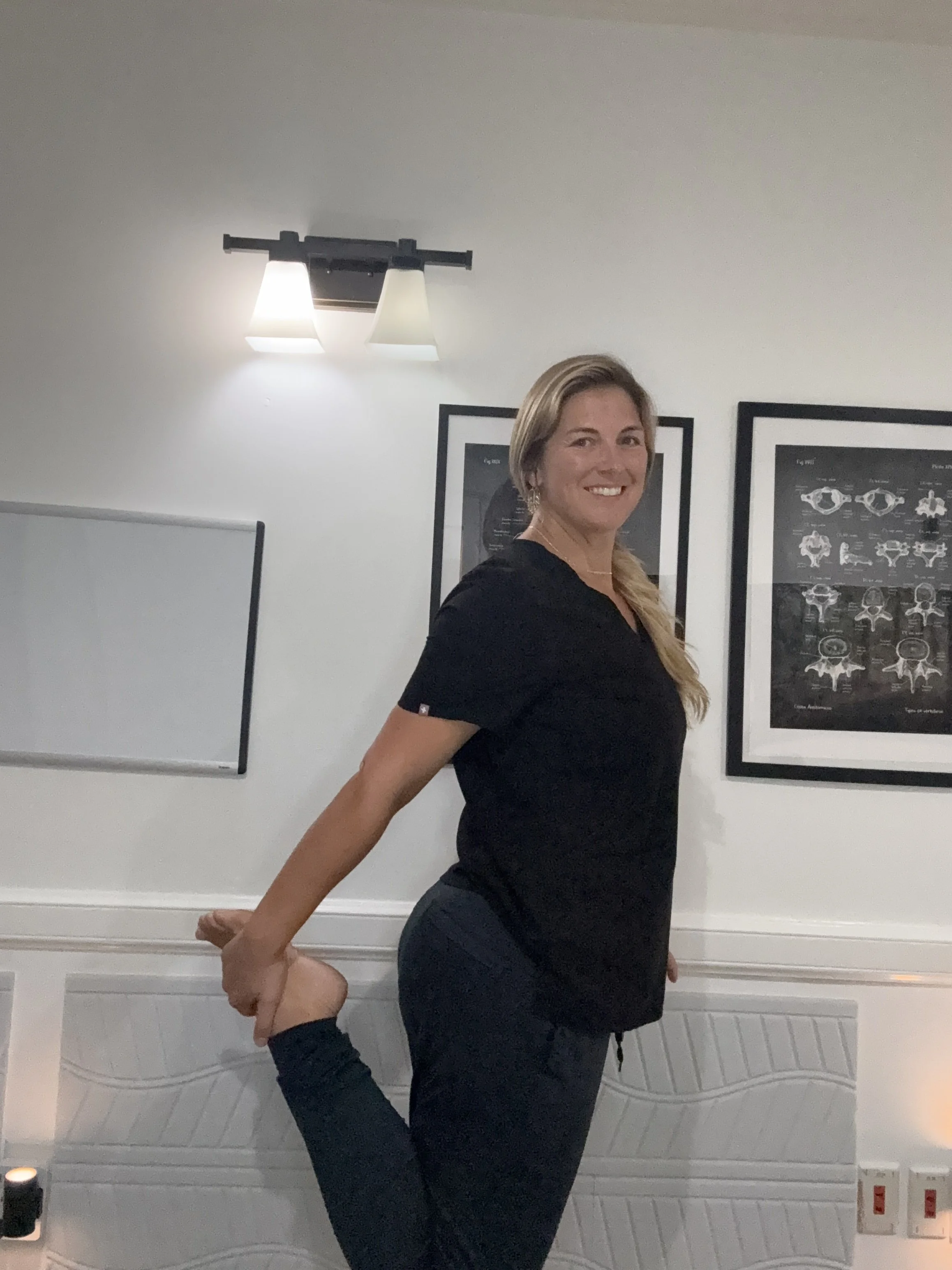
How Much Mobility Should You Actually Have? Simple At-Home Tests for Healthy Aging
Wondering if your mobility is where it should be? These six simple at-home tests can help you assess flexibility, balance, strength, and movement quality so you can age with confidence and maintain your independence.

Why Daily Movement Matters More Than Exercise as We Age
Many people believe staying healthy means exercising a few times per week. In reality, what you do during the other 23 hours of the day may matter even more. Learn why daily movement is one of the most powerful habits for maintaining mobility, independence, and quality of life as you age.

Why Daily Movement Matters More Than Intense Exercise
Most people think they need a perfect workout routine to feel better in their body.
But clinically, what I often see is something much simpler:
the body is craving regular movement far more than occasional intensity.

Healing Is Rarely Linear: The Importance of a Circle of Care
Many people begin their healing journey hoping there will be one clear answer. But clinically, healing is often far more layered than that.
The body is complex.
Injuries are complex.
And recovery is rarely linear.
This is one of the reasons I deeply value what is often referred to as a circle of care — a collaborative approach where different practitioners and therapies work together to support the individual as a whole.
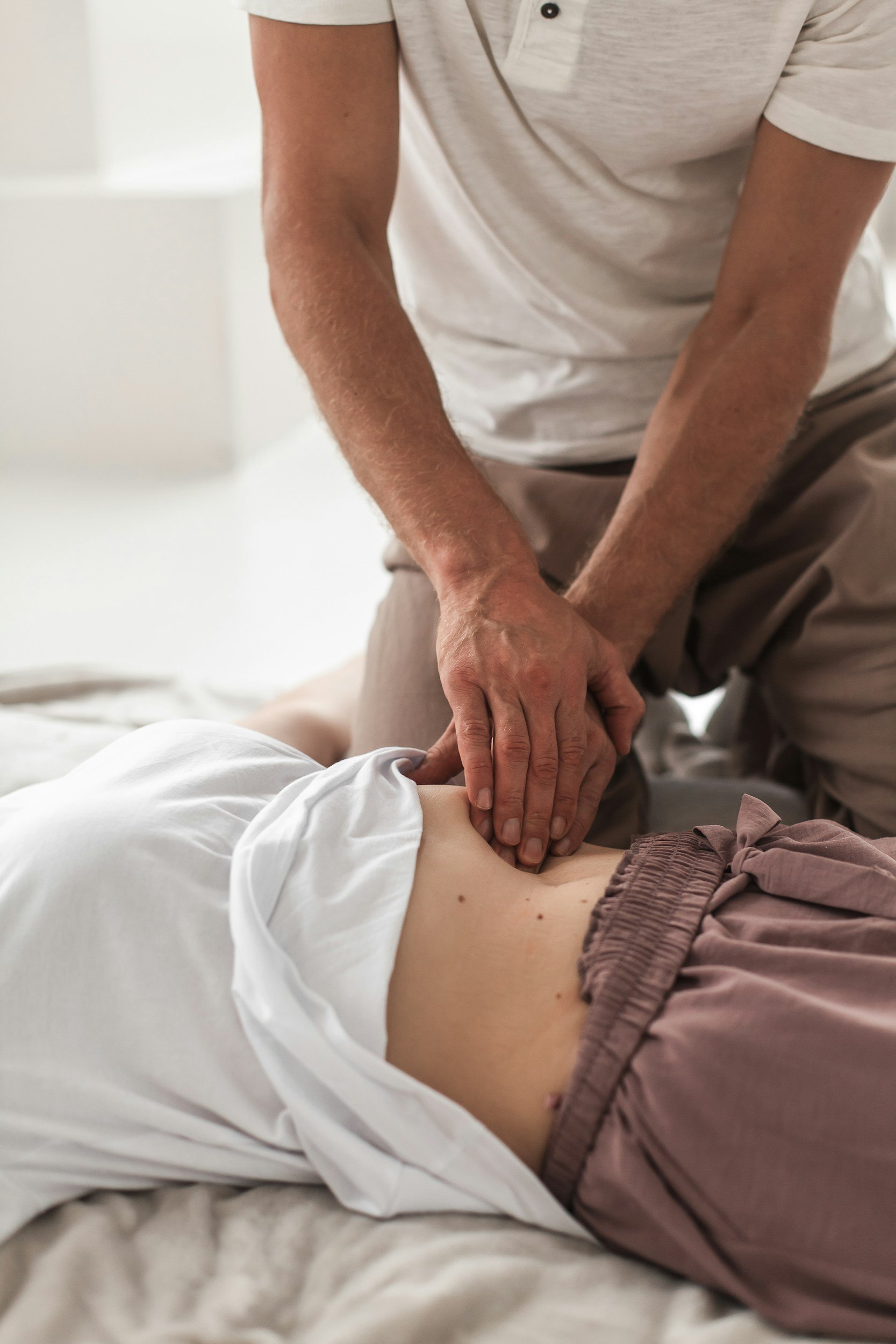
Why Tight Hip Flexors May Be Keeping Your Shoulders Rounded
Discover how tight hip flexors and pelvic mechanics may contribute to rounded shoulders, thoracic tension, and poor posture through connected fascial chains.